Property owners have a legal and ethical responsibility to maintain reasonably safe conditions for people who enter their premises. Whether it is a retail store, office building, apartment complex, restaurant, hotel, or private residence, visitors should be able to expect that the property is free from unnecessary dangers. Unfortunately, accidents and injuries can occur when property owners fail to address hazardous conditions. In such situations, premises liability law may provide injured individuals with the right to seek compensation for their losses.
Premises liability is a significant area of personal injury law that focuses on injuries caused by unsafe or dangerous property conditions. Understanding how premises liability works, when property owners may be held responsible, and what rights injured individuals have is essential for anyone involved in an accident on another person’s property.
What Is Premises Liability?
Premises liability is a legal concept that holds property owners, occupiers, managers, and other responsible parties accountable when someone is injured due to dangerous conditions on their property. The foundation of premises liability law is based on the idea that those who control property have a duty to take reasonable steps to keep it safe for visitors.
When property owners fail to maintain safe conditions, repair hazards, or provide adequate warnings about known dangers, they may be legally liable if someone suffers an injury as a result.
Premises liability cases can arise from many different situations, including slip and fall accidents, inadequate security incidents, falling objects, swimming pool accidents, dog bites, and other dangerous conditions.
The Duty of Care Owed by Property Owners
A key element in premises liability cases is the concept of duty of care. Property owners are generally required to take reasonable measures to protect visitors from foreseeable harm.
This duty may include:
- Conducting regular inspections of the property
- Identifying dangerous conditions
- Repairing hazards promptly
- Maintaining safe walkways and entrances
- Providing adequate lighting
- Installing warning signs when necessary
- Ensuring security measures are appropriate
The exact level of responsibility may vary depending on the circumstances and the type of visitor involved.
Types of Visitors Under Premises Liability Law
The legal duties owed by property owners often depend on the visitor’s status.
Invitees
Invitees are individuals who enter a property for business purposes or because the property is open to the public. Examples include customers in stores, guests at hotels, and patrons at restaurants.
Property owners generally owe the highest duty of care to invitees. They are expected to inspect the property regularly and address hazards that could reasonably cause injury.
Licensees
Licensees are individuals who enter property with permission but for non-business purposes. Social guests are common examples.
Property owners must warn licensees about known dangers that may not be obvious but are not always required to inspect the property for hidden hazards.
Trespassers
Trespassers enter property without permission. In most situations, property owners owe a limited duty of care to trespassers. However, owners generally cannot intentionally create dangerous conditions designed to cause harm.
Special rules may apply when children are involved, particularly if attractive hazards such as swimming pools or abandoned structures are present.
Common Types of Premises Liability Cases
Premises liability covers a wide range of accidents and injuries.
Slip and Fall Accidents
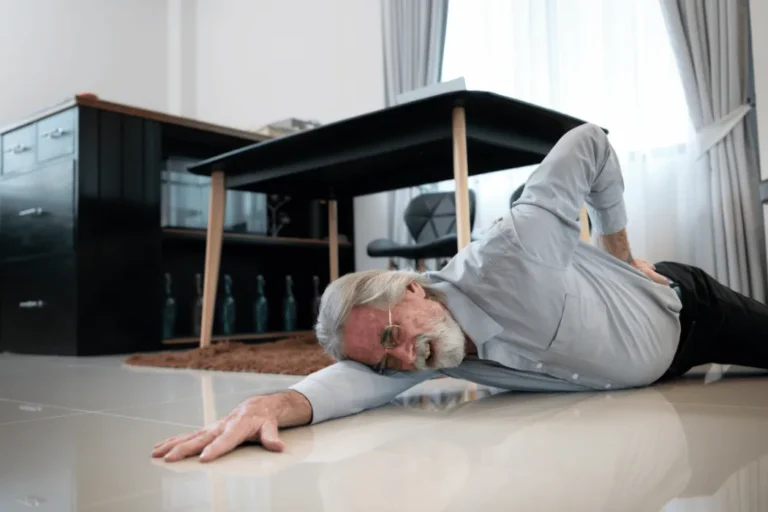
Slip and fall accidents are among the most common premises liability claims. These incidents often occur because of:
- Wet floors
- Spilled liquids
- Uneven flooring
- Broken sidewalks
- Loose carpeting
- Ice and snow accumulation
- Poor lighting
Property owners may be held responsible if they knew or should have known about the hazard and failed to address it.
Trip and Fall Accidents
Trip and fall accidents frequently result from obstacles, damaged walkways, exposed wiring, or other dangerous conditions that create unexpected hazards.
Inadequate Security
Property owners may be liable when insufficient security measures contribute to criminal acts such as assaults, robberies, or attacks.
Examples may include:
- Broken security gates
- Poor lighting in parking lots
- Lack of surveillance systems
- Failure to provide security personnel when appropriate
Falling Objects
Merchandise, building materials, or improperly secured objects can fall and cause serious injuries. Property owners and businesses have a duty to ensure items are stored safely.
Swimming Pool Accidents
Swimming pools present significant risks, particularly for children. Property owners may be responsible if they fail to maintain proper fencing, safety equipment, or supervision measures.
Dog Bite Incidents
Many premises liability cases involve injuries caused by dogs or other animals on private property. Laws vary by jurisdiction, but owners may be held responsible when their animals cause harm.
How Property Owners Can Become Liable
Not every injury that occurs on someone’s property automatically creates liability. To establish a successful premises liability claim, certain legal elements generally must be proven.
Dangerous Condition Existed
The injured person must show that a hazardous condition existed on the property.
Examples include:
- Wet floors
- Broken stairs
- Poor lighting
- Unsafe structures
- Exposed hazards
Property Owner Knew or Should Have Known
The injured party must often demonstrate that the property owner knew about the hazard or should have discovered it through reasonable inspections.
Failure to Take Reasonable Action
Property owners are expected to repair hazards, restrict access to dangerous areas, or provide adequate warnings. Failure to take reasonable action may support a claim of negligence.
Injury Was Caused by the Hazard
There must be a direct connection between the dangerous condition and the injury suffered by the victim.
Common Injuries in Premises Liability Cases
Premises liability accidents can result in a wide range of injuries, including:
- Broken bones
- Head injuries
- Concussions
- Traumatic brain injuries
- Spinal cord injuries
- Neck injuries
- Back injuries
- Soft tissue damage
- Cuts and lacerations
- Permanent disabilities
Some injuries may require extensive medical treatment, rehabilitation, and long-term care.
Compensation Available in Premises Liability Claims
Individuals injured due to unsafe property conditions may be entitled to seek compensation for various losses.
Potential damages may include:
Medical Expenses
Compensation may cover hospital bills, surgeries, medications, therapy, rehabilitation, and future medical care.
Lost Income
Victims may recover wages lost while recovering from their injuries.
Loss of Future Earnings
If injuries affect a person’s ability to work in the future, compensation may account for reduced earning capacity.
Pain and Suffering
Premises liability claims often include damages for physical pain, emotional distress, and diminished quality of life.
Rehabilitation Costs
Long-term rehabilitation services, physical therapy, and specialized treatments may also be recoverable.
The Importance of Evidence
Strong evidence is critical in premises liability cases. Useful evidence may include:
- Photographs of the accident scene
- Surveillance video footage
- Witness statements
- Incident reports
- Medical records
- Maintenance records
- Inspection logs
The sooner evidence is preserved, the stronger a potential claim may be.
Why Legal Guidance Matters
Premises liability cases can be legally complex. Property owners and insurance companies often dispute liability or attempt to reduce compensation claims.
Legal professionals can assist by:
- Investigating the accident
- Gathering and preserving evidence
- Identifying responsible parties
- Consulting experts
- Negotiating with insurance companies
- Representing clients throughout legal proceedings
Proper legal guidance helps injured individuals understand their rights and navigate the claims process more effectively.

Conclusion
Premises liability law plays an important role in protecting individuals from unsafe property conditions. Property owners have a responsibility to maintain reasonably safe environments and address hazards that could cause harm. When they fail to meet these obligations, serious injuries can occur, leaving victims with medical expenses, lost income, and emotional challenges.
Understanding when property owners can be held responsible is essential for anyone injured on another person’s property. By recognizing the principles of premises liability and knowing their legal rights, injured individuals can make informed decisions about pursuing compensation and holding negligent parties accountable. Through awareness, accountability, and proper legal action, premises liability laws help promote safer environments and protect the rights of injury victims.