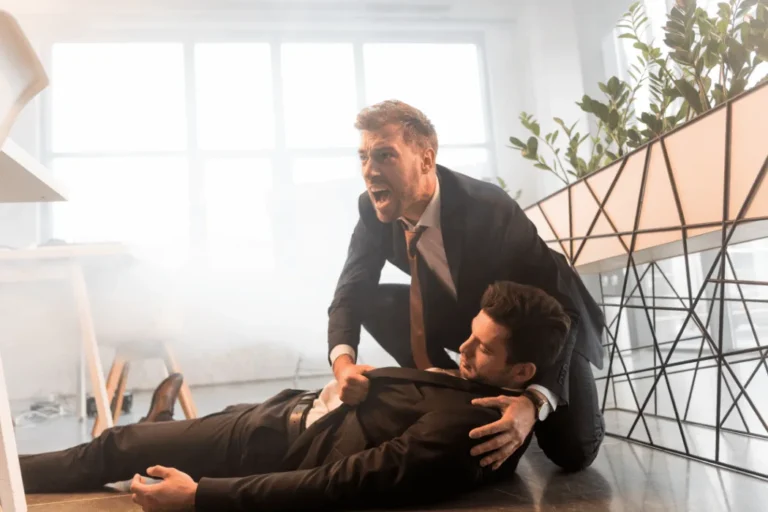
Slip and fall accidents are among the most common causes of personal injuries across the country. Although many people associate these incidents with minor bruises or embarrassment, the reality is that slip and fall accidents can lead to severe physical injuries, emotional distress, and significant financial burdens. In some cases, victims may require extensive medical treatment, rehabilitation, and long-term care. Understanding the causes of slip and fall accidents, the types of injuries they can cause, and the legal rights available to injured individuals is essential for anyone affected by such an incident.
What Is a Slip and Fall Accident?
A slip and fall accident occurs when a person loses their balance and falls due to a hazardous condition on someone else’s property. These accidents can happen almost anywhere, including grocery stores, shopping centers, restaurants, office buildings, apartment complexes, parking lots, sidewalks, and private residences.
Property owners and managers have a responsibility to maintain reasonably safe conditions for visitors. When they fail to address dangerous hazards or provide adequate warnings, serious accidents can occur.
While some falls result from a person’s own actions, many are caused by preventable conditions that could have been corrected through proper maintenance and care.
Common Causes of Slip and Fall Accidents
Slip and fall accidents can happen for a variety of reasons. Understanding the most common causes can help individuals recognize unsafe conditions and understand how negligence may contribute to an injury.
Wet or Slippery Floors
Wet floors are one of the leading causes of slip and fall accidents. Spilled liquids, recently mopped surfaces, leaking pipes, and weather-related moisture can create dangerous walking conditions if not properly addressed.
Uneven Walking Surfaces
Cracked sidewalks, damaged pavement, uneven flooring, and potholes can cause individuals to lose their footing and fall unexpectedly.
Poor Lighting
Inadequate lighting can make it difficult to identify obstacles, changes in floor levels, or other hazards. Poorly lit stairways, hallways, parking lots, and walkways often increase the risk of accidents.
Loose Carpeting and Flooring
Loose rugs, torn carpeting, broken tiles, and uneven flooring surfaces can create tripping hazards for visitors.
Damaged Stairs and Handrails
Broken steps, loose handrails, and poorly maintained staircases can significantly increase the likelihood of falls.
Cluttered Walkways
Boxes, equipment, electrical cords, merchandise, and other obstacles left in walkways can create dangerous conditions that lead to trips and falls.
Weather-Related Hazards
Ice, snow, rainwater, and other weather conditions can create slippery surfaces. Property owners are generally expected to take reasonable steps to reduce these hazards.
Common Injuries Resulting From Slip and Fall Accidents
The severity of injuries sustained in a slip and fall accident can vary depending on factors such as the height of the fall, the victim’s age, and the nature of the impact.
Broken Bones
Fractures are among the most common injuries associated with slip and fall accidents. Wrists, arms, ankles, hips, and legs are particularly vulnerable during a fall.
Head Injuries
Head trauma can occur when a victim strikes their head against the ground or another object. Concussions and traumatic brain injuries may have long-lasting physical and cognitive effects.
Spinal Cord Injuries
Falls can damage the spinal cord, vertebrae, or surrounding tissues. These injuries may result in chronic pain, reduced mobility, or even paralysis in severe cases.
Soft Tissue Injuries
Sprains, strains, torn ligaments, and muscle injuries frequently occur during falls. Although some soft tissue injuries heal over time, others may require extensive treatment and rehabilitation.
Neck and Back Injuries
Slip and fall accidents often place significant stress on the neck and back. Victims may experience herniated discs, nerve damage, or chronic pain conditions.
Hip Injuries
Older adults are especially vulnerable to hip fractures and other serious injuries resulting from falls. Recovery may involve surgery, rehabilitation, and long-term medical care.
The Physical and Financial Impact of a Slip and Fall Accident
A slip and fall injury can affect nearly every aspect of a person’s life. Beyond physical pain, victims often face significant emotional and financial challenges.
Medical expenses may include:
- Emergency room visits
- Hospitalization
- Surgical procedures
- Physical therapy
- Rehabilitation services
- Prescription medications
- Follow-up medical care
In addition to medical costs, injured individuals may experience lost wages due to missed work. Severe injuries can reduce a person’s ability to earn income in the future, creating ongoing financial difficulties.
Many victims also experience emotional stress, anxiety, frustration, and reduced quality of life as they adjust to their injuries and recovery process.
Understanding Premises Liability
Slip and fall cases are generally handled under an area of law known as premises liability. Premises liability refers to the legal responsibility of property owners and occupiers to maintain reasonably safe conditions on their property.
Property owners are expected to:
- Regularly inspect their premises
- Identify potential hazards
- Repair dangerous conditions
- Provide adequate warnings when hazards exist
- Take reasonable steps to prevent foreseeable injuries
When property owners fail to meet these responsibilities and someone is injured as a result, they may be held legally responsible for the damages caused.
Proving Liability in a Slip and Fall Case
Establishing liability in a slip and fall claim often requires evidence demonstrating that the property owner was negligent.
Several factors may be considered, including:
Existence of a Dangerous Condition
The injured person must typically show that a hazardous condition existed on the property.
Knowledge of the Hazard
It may be necessary to demonstrate that the property owner knew or should have known about the dangerous condition.
Failure to Address the Hazard
Evidence may be needed to show that the owner failed to repair the hazard or provide an appropriate warning within a reasonable period.
Causation
The hazardous condition must be directly linked to the accident and resulting injuries.
Evidence such as photographs, surveillance footage, witness statements, maintenance records, and accident reports can play an important role in establishing liability.
Legal Rights of Slip and Fall Victims
Individuals injured in slip and fall accidents may have important legal rights when negligence contributes to their injuries.
Victims may be entitled to seek compensation for:
- Medical expenses
- Future medical treatment
- Lost wages
- Reduced earning capacity
- Rehabilitation costs
- Pain and suffering
- Emotional distress
- Permanent disability
- Loss of enjoyment of life
The amount of compensation available depends on factors such as the severity of injuries, medical costs, and the long-term impact on the victim’s life.
Why Legal Guidance Is Important
Slip and fall claims can be more complicated than they initially appear. Insurance companies may dispute liability, argue that the victim was partially responsible, or attempt to minimize the value of a claim.
Legal professionals can assist by:
- Investigating the accident
- Gathering evidence
- Identifying liable parties
- Communicating with insurance companies
- Calculating damages
- Protecting victims’ rights throughout the claims process
Professional guidance can help ensure that injured individuals understand their options and pursue fair compensation.
Conclusion
Slip and fall accidents can cause serious injuries with lasting physical, emotional, and financial consequences. While some falls are unavoidable, many result from hazardous property conditions that could have been prevented through proper maintenance and care. Understanding the common causes of these accidents, the injuries they can produce, and the legal rights available to victims is essential.
Property owners have a responsibility to maintain safe environments for visitors. When negligence leads to injury, victims may have the right to pursue compensation for their losses. By understanding premises liability laws and seeking appropriate guidance, injured individuals can take important steps toward recovery, accountability, and protecting their future.